
Table of Contents
- What Are Prefabricated Buildings?
- Explore the Advantages Of Prefabrication
- Less Construction Time
- Reduced Waste
- Quality Control
- Mitigates the Labor Shortage
- Lower Environmental Impact
- Expert Construction by EK Bailey
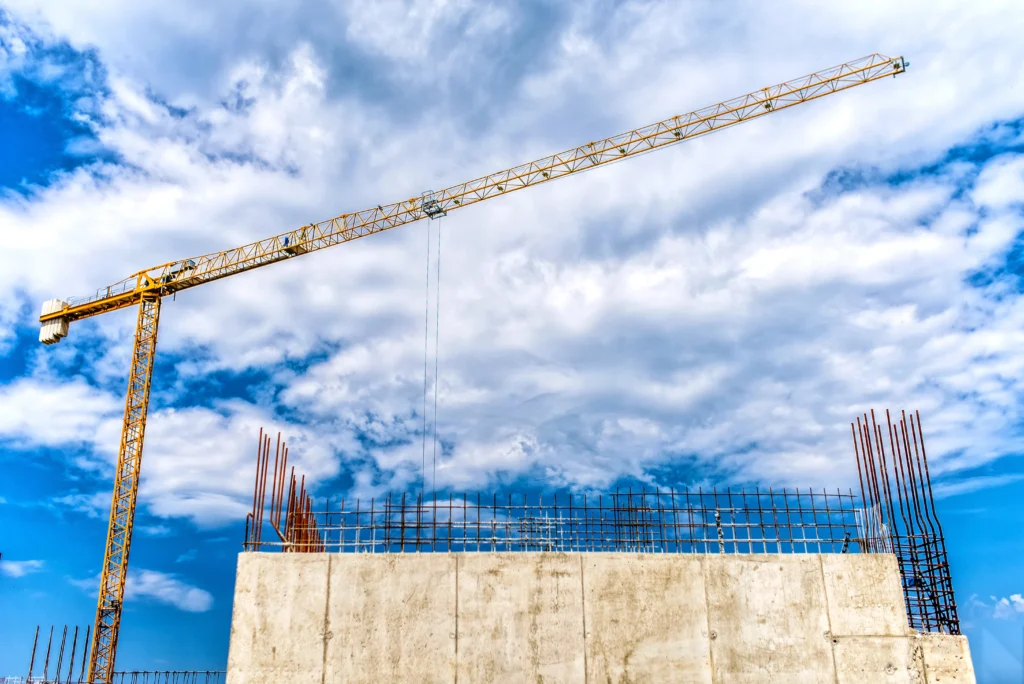
When it comes to commercial construction, many different methods can be used to help streamline a project. Prefabrication has been around since the beginning of construction, helping to create endless building possibilities without extra work.
At E.K. Bailey Construction, we’re committed to making the construction process as simple and straightforward as possible. That’s why we utilize prefabrication to help construct a variety of buildings across the state of Utah, from retail centers to office buildings to restaurants.
Let’s dive deeper into what prefabrication includes, its advantages in commercial construction, and more.
What Are Prefabricated Buildings?
Prefabrication, also known as tilt-up construction, is the act of constructing a building or its components in a separate location from the actual site, presumably one that has more room to work or is shielded from the natural elements.
Once the prefabrication is completed, the walls, parts, or entire building will be moved to the final site. Additional steps, such as interior finishing, can be completed on the final site, but most of the exterior construction work is done off-site.
Explore the Advantages Of Prefabrication
More and more companies are opting for prefabrication methods in an effort to save time and money, reduce waste, improve efficiency, gain greater control over the final product, better use the available labor resources, and minimize environmental impact.
Prefabrication can provide many advantages in the world of commercial construction, including:
Less Construction Time
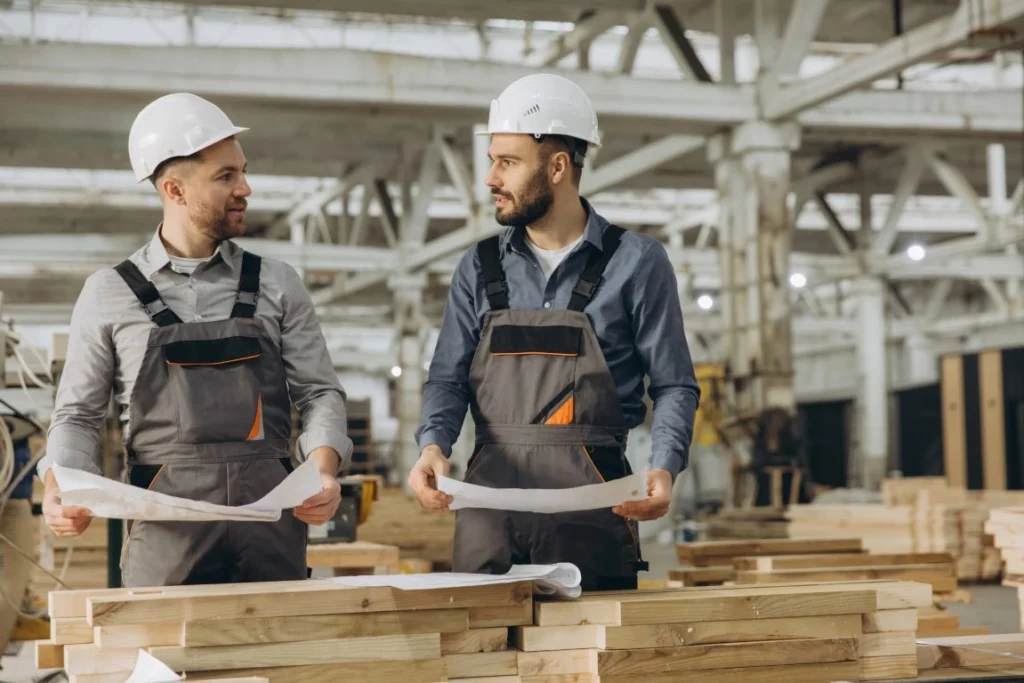
One of the most significant benefits of prefabrication is that it significantly reduces construction time. By allowing building components to be constructed off-site while foundation work occurs, it shortens project timelines and minimizes weather-related delays.
Plus, once the prefab elements are delivered to the site, they can be quickly assembled, leading to faster completion and allowing clients to begin using the structure sooner. This improves efficiency, hastens returns on investment, and improves project scheduling.
Reduced Waste
Another notable advantage of prefabrication is that it can reduce construction waste. Since components are built in a controlled factory environment rather than on the job site, materials can be cut more precisely, leading to far less excess. Plus, scraps can be managed and reused much more easily in a shop setting.
By using material more efficiently, prefabrication can help save money and reduce how much is sent to landfills. As environmental concerns rise, opting for prefabrication offers a more sustainable alternative to traditional building methods.
Quality Control
There are a lot of uncontrollable factors on a construction site, making quality control a challenge. Because prefabrication takes place in a controlled environment under consistent conditions, it eliminates variables like inclement weather and uneven terrain that lead to variations in the final product.
When skilled factory workers use standardized processes to build each component, there’s a higher level of precision and fewer defects throughout the process. Plus, thorough inspections can be more easily performed in these environments, helping to catch and correct any issues before they reach the site, resulting in a more reliable finished product.
Mitigates the Labor Shortage
Prefabrication provides a strategic solution to labor shortages in the construction industry. By shifting a large sector of the work to a factory setting, companies can attract a broader labor pool that includes individuals who may not be willing or able to work on traditional job sites.
This shift makes better use of limited labor resources, reduces the need for large, on-site crews, and helps construction projects stay on schedule even with fewer workers available.
Lower Environmental Impact
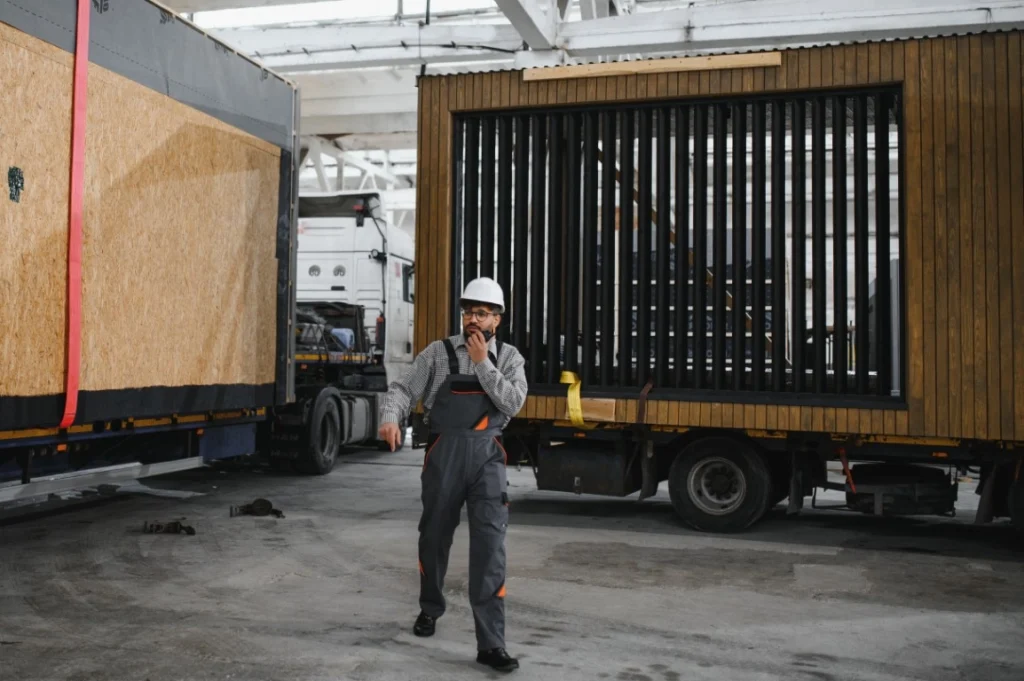
Prefabrication can minimize environmental impact in many ways. Like we mentioned before, it can reduce waste, but that’s not all it accomplishes. This method also minimizes transportation needs — rather than delivering endless loads of materials (not all of which will even be used) to the job site every day, it allows construction companies to only transport the finished, factory-built components, minimizing fuel use and air pollution.
Furthermore, many prefabricated buildings are designed with energy efficiency and ease of insulation in mind, encouraging greater sustainability throughout the building’s lifetime. Together, these environmental advantages make prefabrication a responsible choice for eco-conscious construction companies and their clients.
Expert Construction by EK Bailey
Whether you’re looking for prefabricated buildings or more traditional construction methods, EK Bailey has got you covered. We’re experts in all aspects of construction, from the initial design stage to the finishing touches. Over the years we’ve provided expert services to countless clients throughout Utah, delivering finished products that are as beautiful as they are reliable.
Contact us today to get started on your next construction project!